
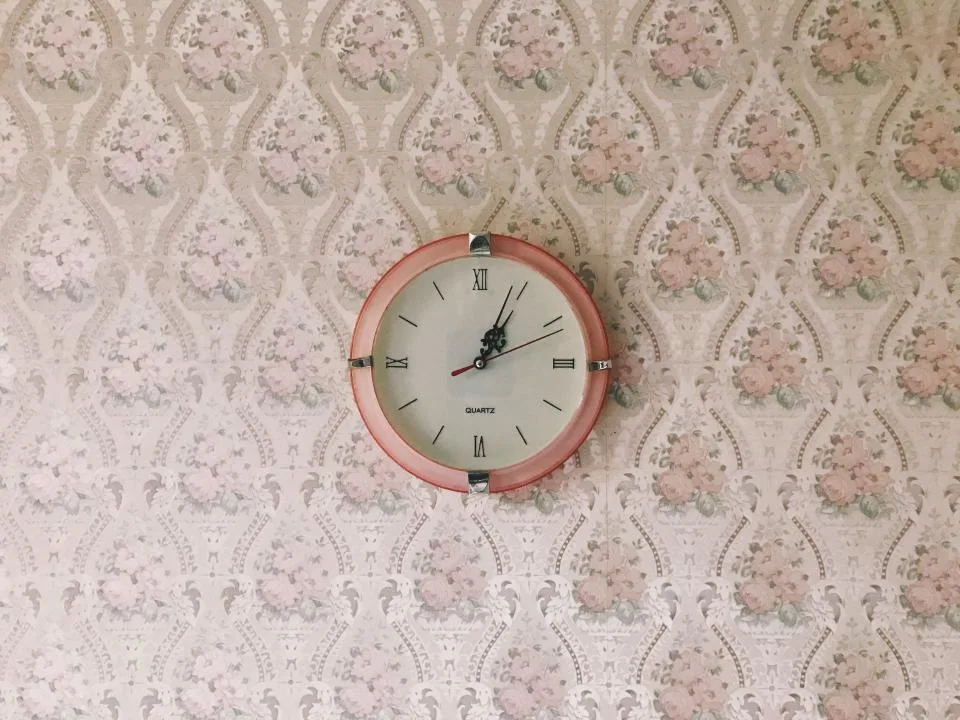
Clocks Fall Back November 1: A Good Day to Check Your Smoke and CO Alarms
Daylight saving time ends at 2 a.m. on Sunday, November 1, 2026, when most of the country sets its clocks back one hour. Many people use that weekend as a reminder to look after the small devices that watch over the home while we sleep: smoke alarms and carbon monoxide (CO) alarms.
It only takes a few minutes, and it’s an easy job to share with a family member or neighbor. Here is a simple routine based on guidance from the U.S. Fire Administration (USFA) and the U.S. Consumer Product Safety Commission (CPSC).
Why These Alarms Matter
According to the National Fire Protection Association, working smoke alarms cut the risk of dying in a home fire in half. The USFA notes that once an alarm sounds, you may have less than two minutes to get everyone outside. An early warning buys you that time.
Carbon monoxide is different. You can’t see it or smell it. The CPSC says more than 200 people in the United States die each year from accidental CO poisoning linked to consumer products that are not on fire, such as generators and fuel-burning appliances. A CO alarm is the only way to know it’s there.
Your Fall-Back Checklist
- Test every alarm. Press and hold the test button until it sounds. The USFA recommends testing smoke alarms once a month, so the clock change is a good extra reminder rather than the only one.
- Change batteries that can be changed. Alarms that use a 9-volt battery need a new one at least once a year. Hardwired alarms usually have a backup battery that also needs replacing at least once a year.
- Check the date on the back. Smoke alarms should be replaced 10 years from the manufacture date printed on them. If you can’t find a date, it may be time for a new one.
- Know your long-life alarms. Some alarms have a sealed 10-year lithium battery that can’t be replaced. When they reach the end of their life, you replace the whole alarm, following the maker’s instructions.
- Check your CO alarms too. Test them and check their batteries in the same way, and follow the replacement date in the maker’s instructions.
Are Your Alarms in the Right Places?
While you’re checking, take a quick walk through the house. The USFA recommends smoke alarms:
- Inside every bedroom
- Outside each sleeping area, such as the hallway near the bedrooms
- On every level of the home, including the basement
Alarms go on the ceiling or high on a wall, as the instructions describe. For CO alarms, the CPSC recommends one on every level of the home and outside sleeping areas.
Both agencies suggest interconnected alarms where possible. When one sounds, they all sound, so you’ll hear a warning from the basement even if you’re upstairs in bed.
If Hearing Is a Concern
Standard alarms can be hard to hear, especially at night with hearing aids out. The USFA points out that there are alarms with strobe lights or bed-shaker (vibrating) devices made for people who are deaf or hard of hearing. They’re worth asking about if anyone in the home has trouble hearing a regular beep.
A Few Everyday Tips
- Don’t pull the battery to stop a nuisance alarm. If cooking or a steamy shower sets it off, open a window, press the hush button or fan the air with a towel instead.
- Learn the sounds. Read the instructions so you know the difference between an alarm, a CO warning and a low-battery chirp.
- If the CO alarm sounds, get everyone outside to fresh air right away, then call 911. Signs of CO poisoning can include headache, dizziness, weakness, nausea, vomiting, sleepiness and confusion.
- Ask about free help. The USFA notes that some local fire departments offer free or low-cost alarms and installation. Call the department’s non-emergency number to ask.
A Quick Safety Note About Ladders
Ceiling alarms can be hard to reach. If you need to climb, use a sturdy step stool or step ladder rather than a chair, and have someone hold it steady. If climbing doesn’t feel safe, a family member, neighbor or the fire department may be glad to help with battery changes.
This article is general safety information. Always follow the instructions that came with your alarms.