
Brighter Stairs and Nightlights: Simple Ways to Prevent Falls at Home
Good light and a few small stair fixes can make your home safer, especially at night. Here is a simple plan based on CDC guidance.
Ideas for aging in place, downsizing, fall-proofing your home and keeping your household running smoothly.
Good light and a few small stair fixes can make your home safer, especially at night. Here is a simple plan based on CDC guidance.
A short checklist for a cozy, safe holiday: watering your tree, checking lights and choosing safer candles, based on U.S. Fire Administration and CPSC guidance.
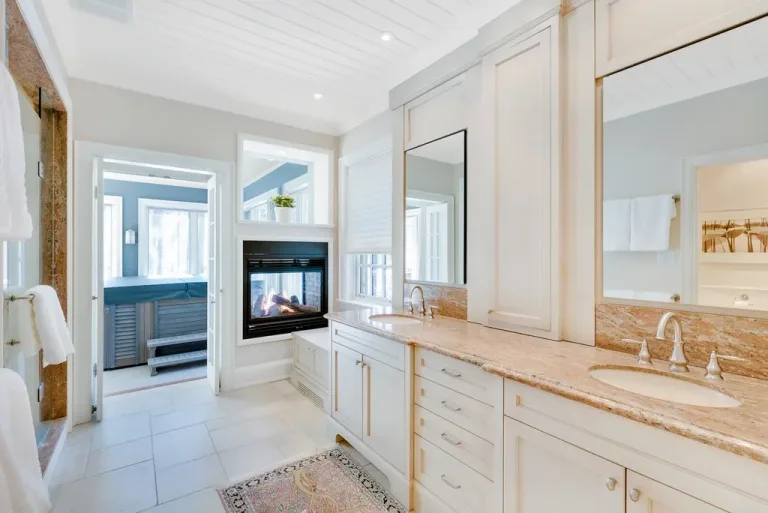
A few low-cost changes, from grab bars to non-slip mats and better lighting, can make the bathroom safer. Here is what the CDC recommends.
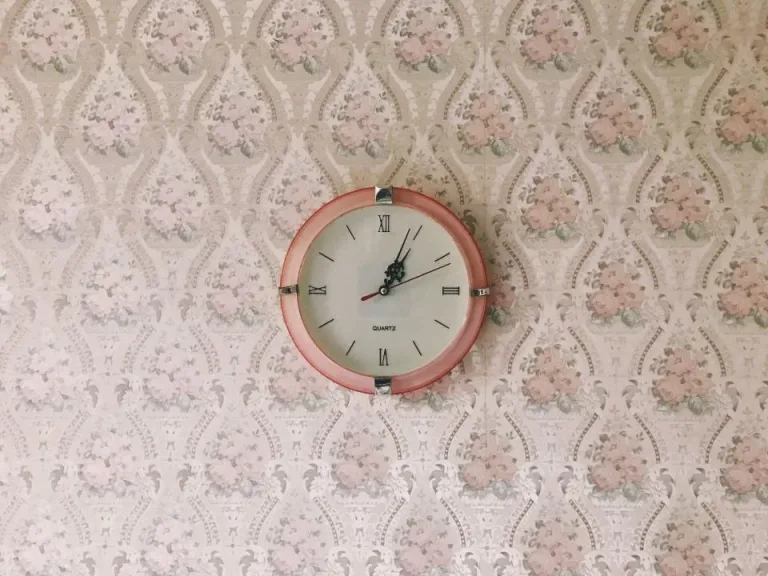
Daylight saving time ends on Sunday, November 1, 2026. Here is a simple routine for testing your smoke and carbon monoxide alarms, swapping batteries and knowing when an alarm is too old.

A few easy habits keep a warm fire safe: yearly chimney cleaning, a 3-foot clearance and careful ash disposal.
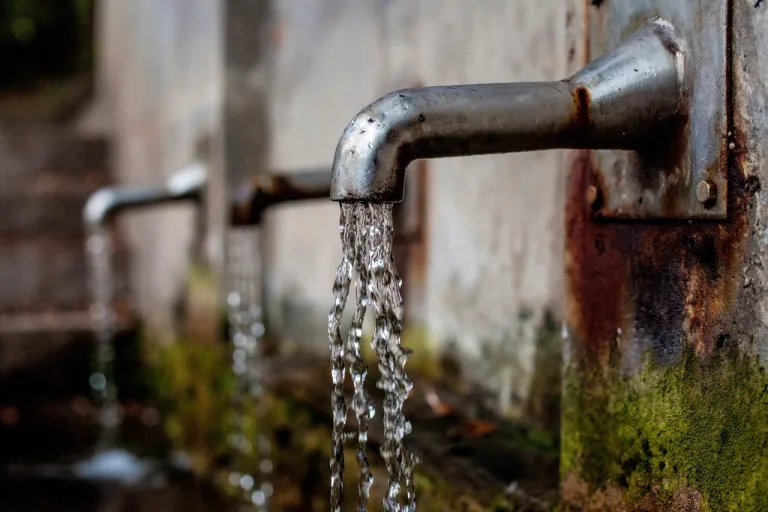
Simple steps to protect your home’s pipes before and during a cold snap, plus how to safely thaw a frozen pipe.
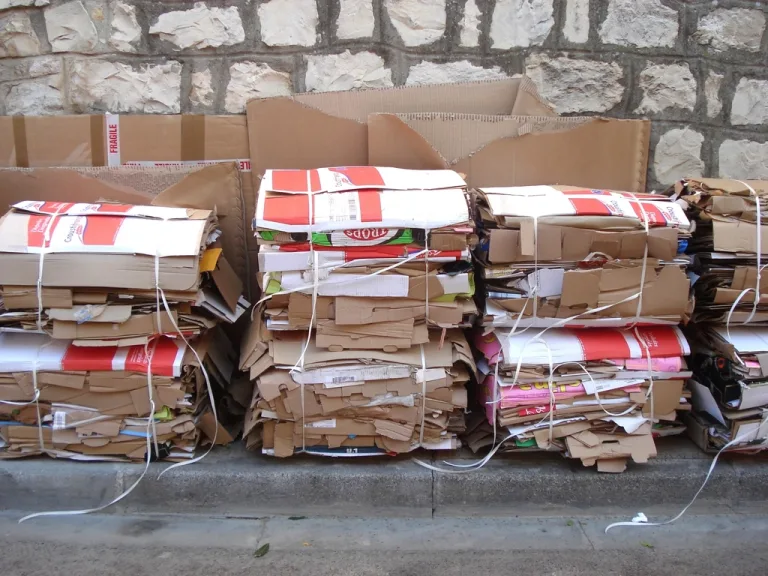
Sorting through years of belongings is easier in small steps. Here’s a calm plan for decluttering before a move, from measuring your new space to handling keepsakes.
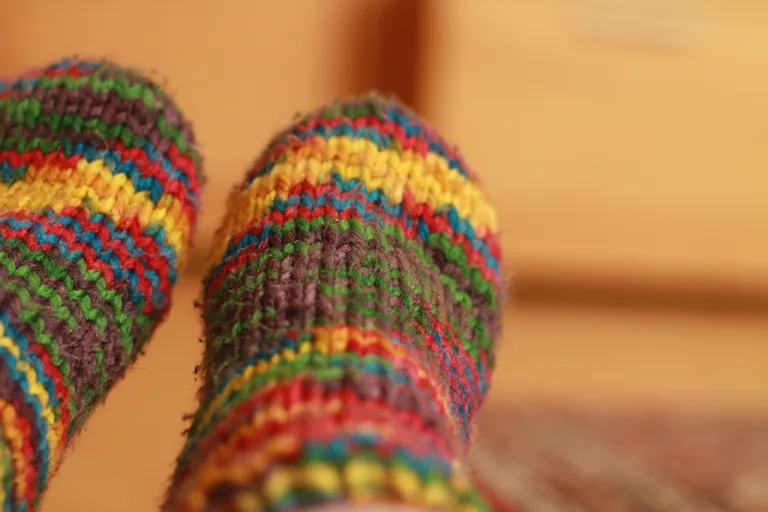
As we age, our bodies can lose heat faster than we notice. Here’s how to keep your home warm enough, dress for the cold, spot the warning signs of hypothermia and know what to do.
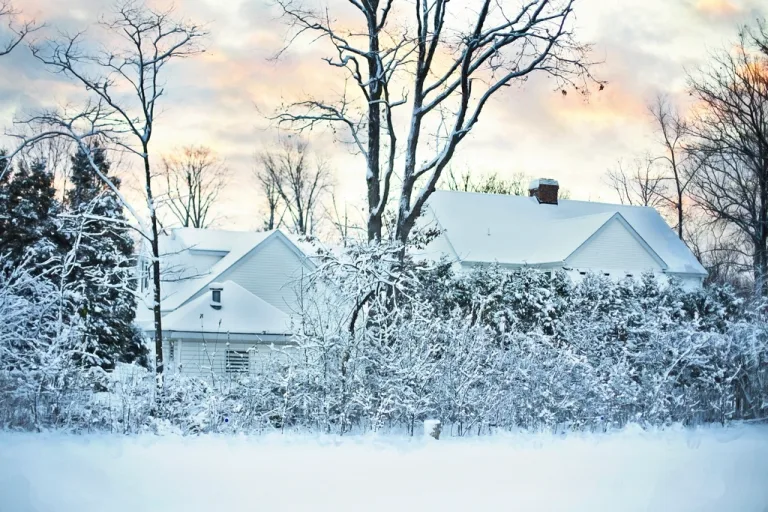
A winter storm can leave you without power for days. Here’s how to build a kit, plan for medicines and medical devices, stay warm without risking carbon monoxide poisoning, and keep food safe.

A space heater can take the chill off a room, but it needs a little care. These plain-English habits, drawn from fire safety agencies, help keep your home warm and safe.