A Room-by-Room Checklist to Help Prevent Falls at Home
Most falls at home don’t happen on a mountain trail. They happen on a loose stair, a slippery tub or a dark hallway at 2 a.m. The good news is that many of the fixes are simple, low-cost and can be done in an afternoon, often with a little help from family or a handy friend.
The Centers for Disease Control and Prevention (CDC) says more than 14 million older adults, or about 1 in 4, report a fall every year. Falls are also behind most broken hips. That is why the CDC’s STEADI program created a short “Check for Safety” checklist. The tips below follow that checklist, room by room.
Start With a Slow Walk-Through
Before you buy anything, walk through your home the way you move on a normal day. Go from the bed to the bathroom, from the kitchen to your favorite chair, and out the front door. Notice anywhere you reach for a wall, step around something or squint in poor light. Those are the spots to fix first.
Floors and Walkways
- Arrange furniture so you have a clear, wide path and don’t have to weave around anything.
- Remove throw rugs, or hold them down with double-sided tape or a non-slip backing.
- Pick up shoes, papers, books and pet toys from the floor.
- Coil or tape lamp, phone and extension cords next to the wall. If you need more outlets, ask an electrician.
Stairs and Steps
Stairs deserve extra attention, inside and outside the house.
- Keep every step clear. Stairs are not a storage shelf.
- Repair loose or uneven steps.
- Make sure there is a light and a switch at both the top and the bottom. Glow-in-the-dark switches are an inexpensive option.
- Replace burned-out bulbs right away.
- Check that carpet is firmly attached to every step, or remove it and add non-slip rubber treads.
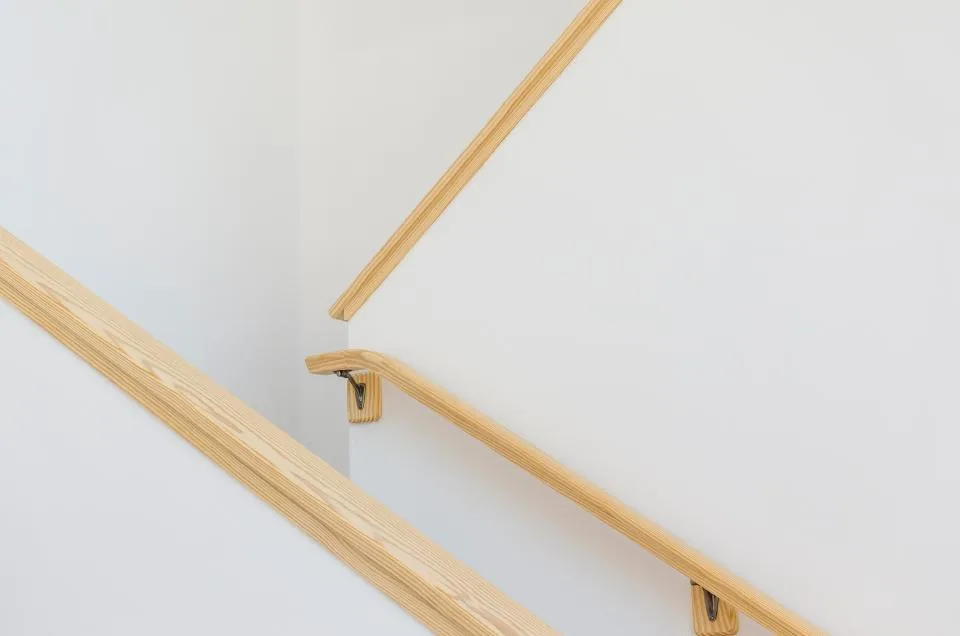
- Fix any loose handrail. The CDC suggests sturdy handrails on both sides, running the full length of the stairs.
Bathroom
Wet, hard surfaces make the bathroom one of the trickiest rooms. Two changes make a big difference:
- Put a non-slip rubber mat or self-stick strips on the floor of the tub or shower.
- Install grab bars inside and next to the tub or shower, and beside the toilet.
A towel bar is not a grab bar. Grab bars need to be anchored securely into the wall, so this is a good job to hand to a qualified installer.
Bedroom
- Keep a lamp within easy reach of the bed so you never cross a dark room.
- Add night-lights along the path from the bed to the bathroom. Some turn on automatically when it gets dark.
Kitchen and Storage
- Move the things you use most to shelves at about waist height.
- If you need to reach higher, use a sturdy step stool with a bar to hold on to.
- Never stand on a chair to reach something.
Your Afternoon Action Plan
You don’t need to do everything at once. Here is a simple order to work in:
- Clear the floors and stairs of clutter and cords. This costs nothing.
- Check every light bulb on stairs, in halls and near the bed. Add night-lights.
- Remove or secure throw rugs.
- Make a list of bigger jobs, like grab bars, a second stair railing or loose steps.
- Ask a family member, a trusted handyperson or a licensed contractor to help with that list.
A quick safety note: if a project means climbing a ladder, drilling into walls or doing electrical work, it is fine to ask for help. Have someone else on the ladder, and hire a licensed professional for wiring.
Where to Find Local Help
Many communities have fall prevention classes, exercise programs and home safety services for older adults. The CDC suggests checking with your local community or senior center. You can also contact the Eldercare Locator, a free public service from the U.S. Administration for Community Living, at 1-800-677-1116 or eldercare.acl.gov. They can point you to your local Area Agency on Aging.
Be careful with anyone who knocks on your door offering a “free safety inspection” and then pushes you to pay a large deposit in advance. Get written estimates, check references, and never pay in cash, gift cards or wire transfers.
It also helps to talk with your doctor about falls. They can review things like your medicines, your vision and your balance, and suggest what is right for you.