Bank Impostor Scams: When “Your Bank” Calls About Fraud
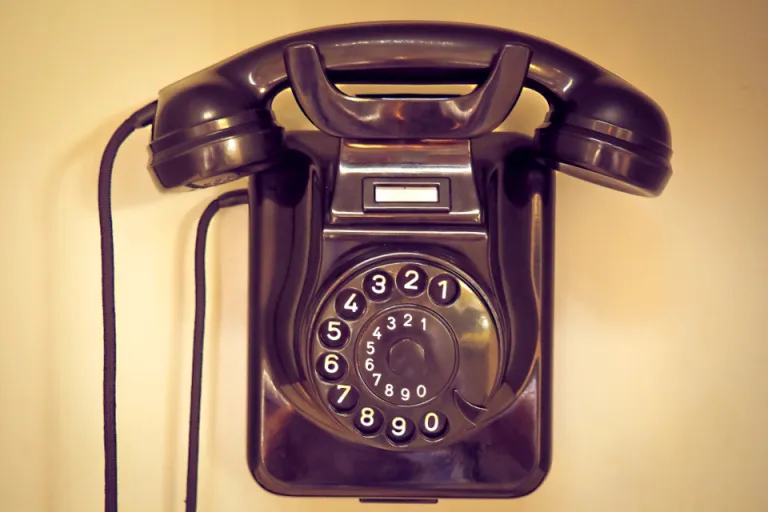
The phone rings. The caller says they work in your bank’s fraud department. Someone has tried to use your account, they say, and you must act right now to protect your money. It sounds responsible and urgent, and that is exactly why it works. Here is how to recognize this scam and what to do.
How the Scam Works
According to the Federal Trade Commission (FTC), the caller claims someone spotted fraud or criminal activity on one of your accounts. They offer to “protect” your money by moving it out of your bank, investment or retirement account. They may also ask you to read out a verification code.
The FTC says any one of those steps means it is a scam. Scammers may also pass you to a second person who claims to be from a government agency and offers a badge number or ID as “proof.” The FTC says no one from the agency will ever ask you to move money.
Red Flags
- An unexpected call, text or email about an urgent problem with your account.
- Any request to move, send or “protect” your money.
- A request for a verification code, which banks send only so they can confirm it is you.
- Pressure to act right now, or to keep the call secret.
- A request to pay by wire transfer, gift card or cryptocurrency. The FTC notes scammers prefer these because they are hard to reverse.
- Caller ID that looks like your bank. The FTC notes caller ID can be faked.
What to Do If You Get That Call
- Do not move any money, and never share a verification code. Your money is safe where it is.
- Hang up. It is fine to be firm, and you are not being rude.
- Look up your bank’s phone number yourself, on your statement or the back of your card. Do not use a number the caller gave you.
- Call that number and ask whether there is any real problem with your account.
- Report the call at ReportFraud.ftc.gov.
- Tell a friend or family member, so they know what to watch for.
If You Already Moved Money or Shared a Code
Please do not feel ashamed. These callers are skilled, and many careful people have been fooled. Call your bank or investment firm right away, using the number on your statement, and tell them exactly what happened. The FTC notes that bank accounts have fewer protections than credit cards, so speed matters. Then report it at ReportFraud.ftc.gov. You can also call the National Elder Fraud Hotline at 1-833-FRAUD-11 (1-833-372-8311).
For more steps after a scam, see our guide to what to do right away if you paid a scammer.
More on Seniors Tips
- Paid a Scammer? What to Do Right Away
- Government Impostor Scams: How to Spot Fake Social Security, IRS, and Medicare Calls
- Gift Card Scams: Why Only a Scammer Asks You to Pay This Way