Visiting a National Park in Winter: Plan Ahead and Stay Safe
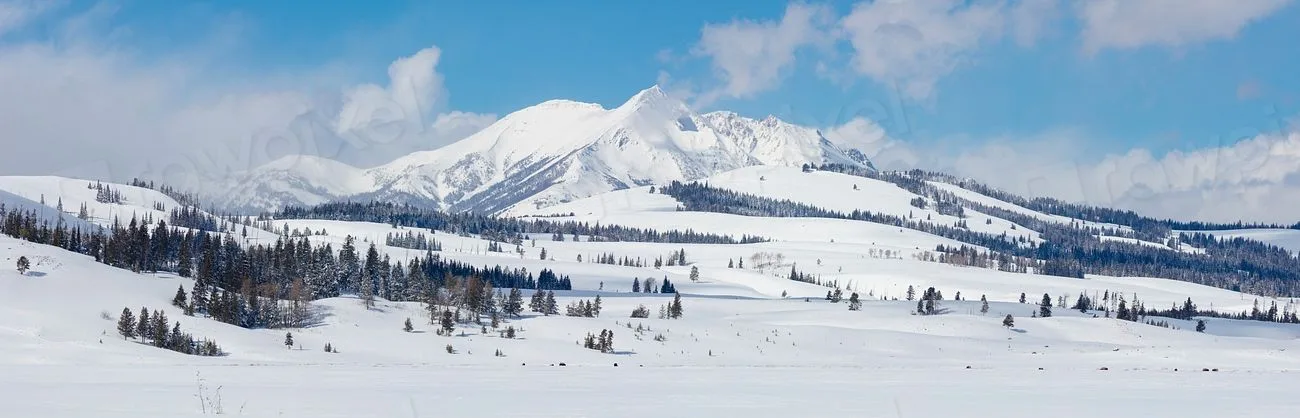
Winter can be a lovely time to visit a national park. The crowds are thinner, the landscape is quiet, and snow changes familiar views. It also changes the rules of the trip. Roads close, services shrink, and help can be hours away. A little planning makes the difference between a peaceful day and a stressful one.
Check the Park Before You Go
The National Park Service (NPS) says restricted access and closures to some areas are common in winter. Before you leave, check the park’s own website or call ahead for alerts about hazards, road conditions and closures. The NPS also keeps a page of park alerts at nps.gov/planyourvisit/alerts.htm.
Closures can include whole roads. The NPS winter driving page says some park roads close for the season. Services can be limited too. One NPS winter guide for Lake Roosevelt National Recreation Area in Washington notes that many local businesses close for winter, so check with them before you travel. Every park is different, so look up your own destination.
Ask whether the park offers shuttles. The NPS suggests checking, since a shuttle may be easier than driving on snowy park roads.
Plan for Little or No Cell Service
The NPS cautions that a cell phone might not be reliable because of poor reception, and that you should be ready to find your way without it. Parks are often far from emergency services, and the NPS says help can take hours, or even days to arrive.
- Download maps and park information before you leave home. The NPS app offers park details you can save for use without coverage.
- Carry a paper map, and bring a portable phone charger.
- Leave your trip plan with a family member or friend, including where you are going and when you expect to be back.
Get Your Car Ready
The NPS winter driving page suggests these checks before you set out:
- Inflate all tires, including the spare, and check the battery.
- Use freeze-resistant wiper fluid and keep the gas tank full.
- Find out whether the park requires tire chains or cables. Some do.
- Pack a winter kit: extra warm clothing and blankets, food and water, jumper cables, a flashlight, a snow shovel, an ice scraper and sand or cat litter for traction.
On the road, the NPS says to drive slowly, leave extra distance between cars and keep your headlights on, even in daytime. If you come up behind a snowplow, stay behind it and don’t pass. Watch for wildlife, which always has the right of way.
If you are planning a longer drive to get there, our winter road trip checklist covers the trip itself.
Dress in Layers and Know the Warning Signs
The NPS recommends layers you can add or remove easily, so you stay warm without overheating. Choose wool or synthetic fabrics. Cotton absorbs moisture and won’t keep you warm if it gets wet. Add a hat, gloves or mittens, wool socks and waterproof boots, and pack an extra set of dry clothes in a sealed bag.
The NPS describes hypothermia as a serious hazard that occurs when your body loses heat faster than it produces it. Warning signs include confusion, shivering, difficulty speaking and stiff muscles. Frostbite can cause loss of feeling and color. If you or someone with you shows these signs, get warm and get help. Our guide to cold weather and hypothermia basics explains more.
Keep Outings Short and Flexible
- Remember the daylight. The NPS notes that reduced daylight hours will affect your trip. Plan to be back before dark.
- Have a Plan B. Parks may close areas for safety. Visitor centers often have indoor activities, so check what is open.
- Be careful on trails. The NPS says many trails are not maintained in winter, and it suggests over-the-shoe traction devices for hiking. Turn back if the trail becomes too difficult.
- Wait out a storm. The NPS puts it simply: it is better to wait out a storm than to risk becoming lost or injured.
- Pace yourself. Cold weather makes everything more tiring. If you have a heart or breathing condition, or take medicines that affect balance, ask your doctor before a winter outing.
Savings and Passes
If you visit parks often, the America the Beautiful Senior Pass may be worth a look. We explain who qualifies and how to buy one in our senior pass guide. Check the NPS site for current prices before you buy.
Safety note: Winter conditions change quickly. If the weather turns, a road closes or you feel unwell, change your plans. No view is worth a risk.
More on Seniors Tips
- Winter Road Trip Checklist: Get Your Car and Plans Ready
- America the Beautiful Senior Pass: Cost, Who Qualifies and How to Buy
- Staying Warm and Safe in Cold Weather: Hypothermia Basics