Airport Security With Medications and Medical Devices: A Calm Guide
With holiday travel coming up, many of us will be packing medicines, a CPAP machine, a cane or a walker along with our sweaters. Airport security doesn’t have to be stressful. Knowing a few Transportation Security Administration (TSA) rules ahead of time makes the line much easier.
Medications
- Medically necessary liquids can go beyond the usual 3-1-1 limits for liquids. Tell the officer at the checkpoint and keep them separate from your other things for inspection.
- Also mention related items such as ice or freezer packs, pumps and syringes.
- Pills and other solid medicines also go through screening. If an officer needs to check them, you may be asked to show and repack them, so pack them where they’re easy to reach.
Medical Devices and Mobility Aids
- You can show the officer a TSA notification card or other medical paperwork describing your condition or device. It can make the conversation easier.
- TSA officers may swab your hands, mobility aids and external medical devices to test for explosives.
- If you need extra screening, a pat-down may be needed, which can include removing shoes, belts or light jackets.
Ask for Help Before You Go
TSA Cares is a helpline for travelers with disabilities, medical conditions or other circumstances who would like extra help at the checkpoint. As of October 2026, the number is (855) 787-2227. It’s open 8 a.m. to 11 p.m. Eastern on weekdays and 9 a.m. to 8 p.m. Eastern on weekends and holidays.
- Call at least 72 hours before your flight.
- You can ask for a Passenger Support Specialist, an officer trained to help travelers who need assistance through screening.
- This help doesn’t skip screening or make it faster, but it can make it smoother.
- For a wheelchair at the airport, contact your airline. TSA doesn’t provide wheelchairs.
A Few Comfort and Safety Tips
- Give yourself extra time at the airport so you never feel rushed.
- Keep medicines in your carry-on, not in checked bags, in case your luggage is delayed.
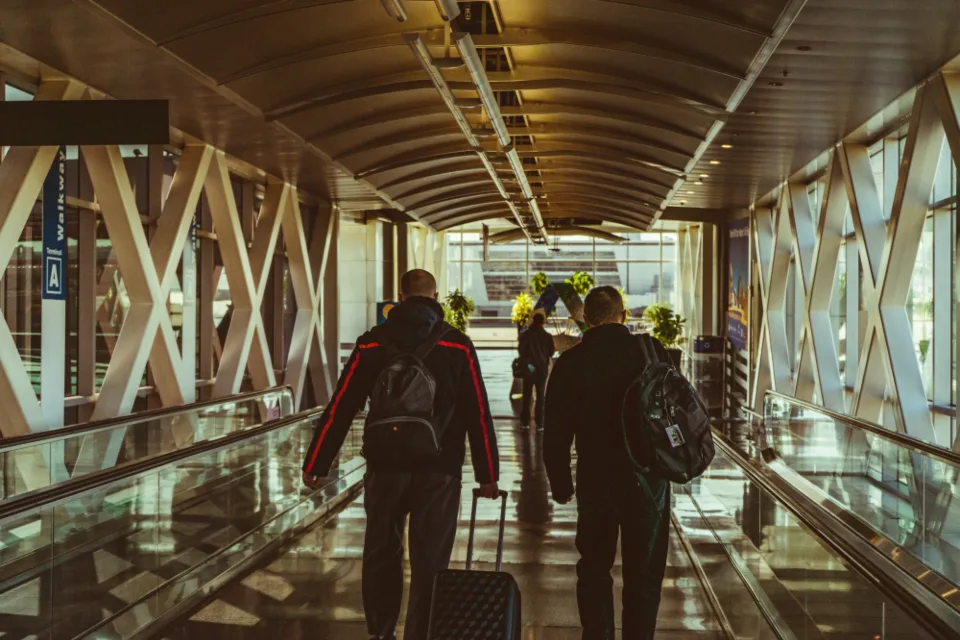
- Take your time on escalators and moving walkways, and use the elevator if you’re carrying a lot or using a mobility aid.
- It’s always fine to ask an officer to slow down or explain what’s happening.