Putting Your Garden to Bed for Winter: Easy Fall Tips
Fall is a satisfying time in the garden. The air is cool, the summer rush is over, and a little work now sets you up for a beautiful spring. Here are simple tips from gardening experts at Purdue University Extension and Utah State University Extension.
Don’t Rush the Cleanup
Purdue Extension points out that many gardens still have a month or two of growth left in early fall. Cooler weather is also a good time to plant trees and perennials.
Tidy the Vegetable Garden
- After the harvest, pull out spent plants. Compost the healthy ones and throw away any that look diseased.
- In late fall, Utah State suggests spreading 2 to 3 inches of leaves or compost and working it into the soil, so it can break down before spring.
Leave a Little Mess for Wildlife
You don’t have to clear every leaf. Purdue Extension notes that fallen leaves and dead stems shelter helpful insects and pollinators over the winter, and seed heads feed birds. A balanced approach works well: leave leaves in flower beds if the plants weren’t diseased, rake them off the lawn, or use them as mulch around trees.
Flower Beds, Lawn and Shrubs
- Pull annual flowers, like petunias and marigolds, after a hard frost.
- Cut perennials back to a few inches once their leaves die back, or leave some stems standing for the birds and insects.
- Keep mowing until the grass stops growing. Long, shaggy grass going into winter can encourage snow mold.
- Keep pulling weeds. Many go to seed quickly when the weather cools.
- Don’t fertilize or heavily prune trees and shrubs in fall. It can push new growth that winter cold may damage.
Plant Bulbs for Spring
Fall is the time to plant daffodils, tulips and crocuses. Shop early for the best choice. Utah State notes that daffodils seem to be the most deer-resistant of the three.
Garden Safely and Comfortably
- Warm up with a short walk first, and take regular breaks.
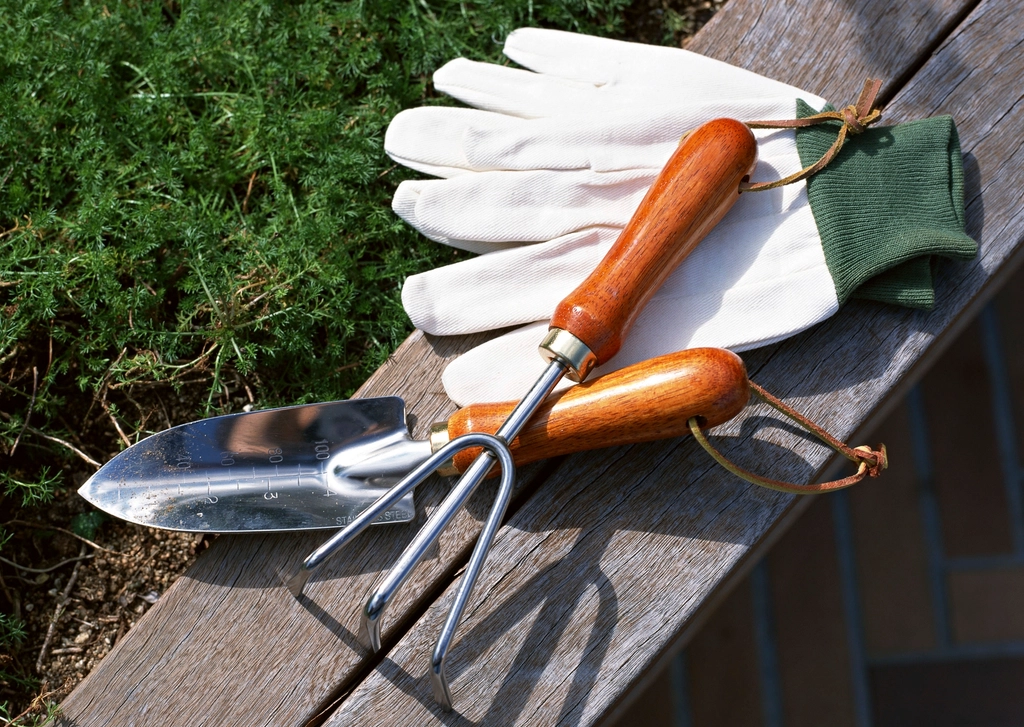
- Wear gloves and sturdy shoes, and keep a water bottle nearby.
- Use a cart or wheelbarrow for heavy loads, and bend your knees when you lift.
- Use a long-handled tool or a kneeling pad instead of bending for long periods.
- Skip the ladder when you’re alone. Ask for help with high branches or gutters.
For advice that fits your area, call or visit your local county extension office.
More on Seniors Tips
- Balance and Strength Exercises for Beginners: A Gentle Guide
- Walking for Health After 50: A Practical Guide