
Staying Well Hydrated After 50: Simple Habits That Help
Water does a lot of quiet work in your body. Yet after 50, it can get easier to fall a little behind on fluids without noticing.
Here’s why that happens, what signs to watch for, and a few simple habits that make drinking enough feel almost automatic.
Why Thirst Can Be a Less Reliable Signal
As we age, the body tends to hold on to water less well, and many people simply feel thirsty less often, according to the Mayo Clinic.
Older adults also have less water in their bodies to start with. Cleveland Clinic notes that by the time an older adult feels thirsty, it can already be a sign of early dehydration.
So waiting until you feel thirsty may not be the best plan.
Signs of Dehydration to Watch For
Mayo Clinic and Cleveland Clinic list signs like these in adults:
- Feeling very thirsty, or having a dry mouth
- Peeing less often, or dark-colored urine
- Feeling tired, weak, or dizzy
- Headache or muscle cramps
- Confusion or crankiness
Confusion or unusual sleepiness in an older family member is worth taking seriously. Mayo Clinic says to contact a health care professional if someone is confused or less active than usual, can’t keep fluids down, or has had diarrhea for 24 hours or more.
Easy Everyday Habits
Small routines add up. Try a few of these:
- Pair water with meals. A glass of water at breakfast, lunch, and dinner is an easy habit to remember.
- Keep a bottle or mug handy. Cleveland Clinic suggests sipping through the day. Small sips can feel easier than a full glass.
- Eat foods with lots of water. Fruits and vegetables count. Cucumbers, celery, and watermelon are good examples.
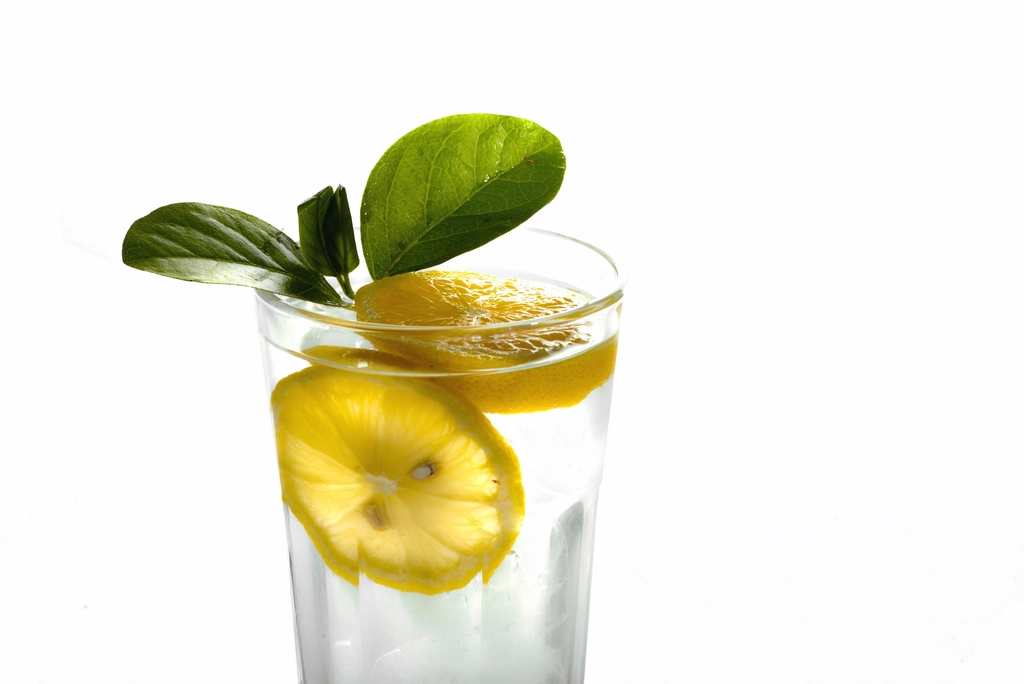
- Add some flavor. A slice of lemon or a few strawberries can make plain water more appealing.
- Drink more when you lose more. Hot weather, exercise, and illnesses like the flu or diarrhea all raise your needs, says MedlinePlus Magazine.
- Go easy on sugary drinks. Mayo Clinic suggests limiting sodas and other high-sugar drinks, plus caffeinated ones.
Some People Are Told to Limit Fluids
More water isn’t right for everyone. People with heart failure may be advised to change how much fluid they drink, according to MedlinePlus. Some people with chronic kidney disease are also told to limit fluids.
If you have a heart or kidney condition, or any condition your doctor is watching closely, ask how much fluid is right for you. Don’t make big changes on your own.
This article is general information, not medical advice. Talk to your doctor or pharmacist about your own health.