Alcohol After 50: Holiday Gatherings and Safer Habits
The holidays often come with a toast, a glass of wine at dinner or a cocktail with friends. For many people that is a pleasant part of the season. But the body handles alcohol differently as the years go by, and what felt fine at 40 may not sit the same way at 65.
This guide explains why, how alcohol can mix with medicines and health conditions, and some practical ways to enjoy gatherings while looking after yourself. It is not about telling anyone what to do. It is about knowing the facts so you can decide for yourself.
Why Alcohol Can Hit Harder After 50
The National Institute on Alcohol Abuse and Alcoholism (NIAAA) explains that changes in the body, and in physical and mental health, can cause alcohol to affect people differently than when they were younger. With less muscle mass and less body water, some older adults may reach a higher blood alcohol level than a younger person after the same amount to drink.
The NIAAA also notes that older adults can develop alcohol-related problems at lower drinking amounts than younger people. The National Institutes of Health puts it this way: aging lowers the body’s tolerance for alcohol, so problems can appear even when drinking habits have not changed.
In other words, you may not be drinking more. Your body may simply be handling the same drink differently.
What Guidelines Say About Amounts
The National Council on Aging (NCOA) points to the Dietary Guidelines for Americans. For older adults, those guidelines say people can choose not to drink, or limit alcohol to 2 drinks or less in a day for men and 1 drink or less in a day for women, when alcohol is consumed. The NIAAA adds that recent research points to health risks for breast cancer and heart disease even at low levels of drinking.
Not drinking is always an option, and it is a perfectly good one. A glass of sparkling juice at the table does the same job at a toast.
Medicines and Alcohol Can Mix Badly
This is one of the most important points. The NIAAA says many older adults take medicines that could interact with alcohol. An interaction may keep a medicine from working properly, or make it dangerous or even deadly.
The NIAAA gives several examples:
- Aspirin combined with alcohol raises the risk of stomach or intestinal bleeding.
- Acetaminophen may cause liver damage, particularly in people who drink regularly over time.
- Some cough syrups contain alcohol, which adds to its effects.
- Sleep, anxiety, cold and allergy, and opioid pain medicines can be deadly when combined with alcohol.
- Alcohol can change how some blood pressure medicines and antibiotics work.
You do not need to memorize this list. Just ask. When you pick up a new prescription or an over-the-counter product, ask your pharmacist, “Is it safe to have a drink while I take this?” If you do not already keep one, our guide to keeping a medicine list makes that conversation easier.
Health Conditions Alcohol Can Make Worse
The National Institutes of Health says drinking too much can worsen diabetes, high blood pressure, congestive heart failure, liver problems, memory problems, and depression and anxiety. The NIAAA adds that heavy drinking can raise the risk of, or worsen, chronic pain, heart disease and respiratory infections, and that alcohol is linked to several kinds of cancer.
If you live with any of these conditions, your doctor is the right person to say what is sensible for you, including whether to skip alcohol altogether.
Falls, Balance and Driving
The NIAAA says older people are more sensitive to alcohol’s effects on balance, coordination, attention and driving skills. That puts them at higher risk of falls, car crashes and other injuries. The National Institutes of Health adds that slurred speech and poor coordination can show up more quickly than they did years ago.
A few simple safety habits help:
- Sit down to drink, and keep one hand free for the stairs, the rail or the step stool you should not be using anyway.
- Plan your ride home before the party. Do not drive after drinking.
- Use a nightlight on the way to the bathroom if you have had a drink with dinner.
For more ideas on staying steady, see Balance and Strength Exercises for Beginners.
Alcohol and Sleep
Many people reach for a nightcap to help them fall asleep. The NIAAA notes that drinking to help with poor sleep can actually make sleep problems worse. If sleep is a struggle, our guide to better sleep after 50 offers other habits to try, and your doctor can help if it continues.
Loneliness, Grief and Drinking
The NIAAA points out that life changes such as retirement, losing someone you love or health troubles can lead people to drink to cope with loneliness, boredom, anxiety or sadness. The relief does not last, and it can create a cycle where drinking adds to the problem it was meant to ease.
If the holidays are a hard time, you are far from alone. Reaching out to a friend, a faith community, a library program or a senior center can help. See Easing Loneliness After 50 for practical ideas.
When Skipping Alcohol Is the Safer Choice
The NCOA, citing the NIAAA, lists situations where some older adults should avoid alcohol completely:
- You plan to drive, or do something that needs skill, coordination and alertness.
- You take certain prescription or over-the-counter medicines.
- You have a medical condition that alcohol can make worse.
- You are recovering from an alcohol use problem, or find it hard to control how much you drink.
Easy Ways to Enjoy the Gathering
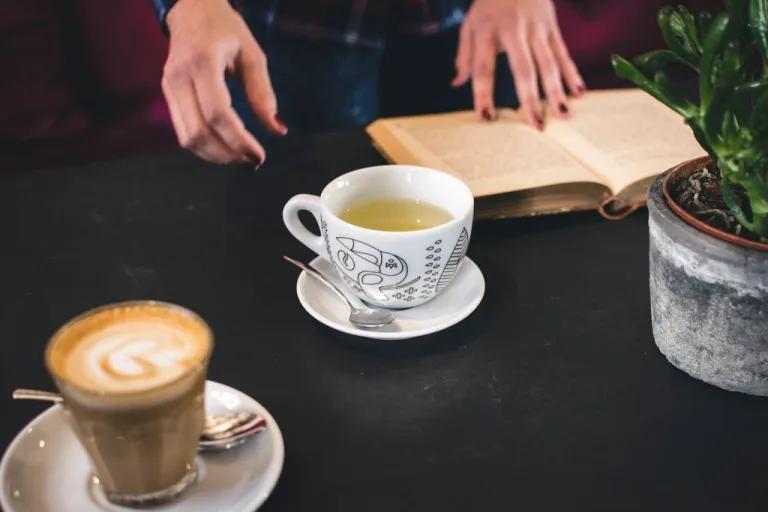
- Offer yourself something festive without alcohol, such as sparkling water with a slice of orange, a warm spiced cider or a good cup of tea.
- Say “No, thanks, I’m all set” with a smile. You do not owe anyone an explanation.
- Eat something first, and sip slowly.
- Alternate any drink with a glass of water.
- Bring a drink you enjoy that has no alcohol, so you always have something in your hand.
Signs It May Be Time to Talk to Someone
The NIAAA says clues to a possible alcohol problem may include memory loss, depression, anxiety, poor appetite, unexplained bruises, falls, sleeping problems and inattention to cleanliness or appearance. Many of these have other causes too, so they are a reason to check in with a doctor, not a reason to jump to conclusions.
If you are worried about your own drinking, or a loved one’s, talk to a health care provider. The NIAAA offers a planning resource called Rethinking Drinking and a guide to finding care called the Alcohol Treatment Navigator. Asking for help is a sign of strength, and it is never too late to make a change.
A Gentle Takeaway
You can enjoy the holidays with or without a drink. What matters is knowing how alcohol can affect your balance, your medicines and your health, and choosing what works for you. When in doubt, ask your doctor or pharmacist.
This article is general information, not medical advice. Talk to your doctor or pharmacist about your own health.